How Utah Endocrinology Helps Manage Hormonal Imbalances

Hormones influence nearly every major system in the human body. They help regulate metabolism, growth, reproduction, sleep, mood, blood sugar, bone health, and many other essential functions. When the body produces too much or too little of a particular hormone, the effects can range from subtle changes in energy to significant health problems that require ongoing treatment.
Because symptoms of hormonal disorders can overlap with many other conditions, identifying the underlying cause is not always straightforward. Endocrinologists specialize in the glands and hormones responsible for these processes.
Utah endocrinology services can help patients investigate unexplained symptoms, receive an accurate diagnosis, and develop a treatment strategy designed around the specific hormonal condition involved.
Recognizing Possible Signs of Hormonal Imbalances
Hormonal problems do not always produce one distinctive symptom. Instead, a person might experience several changes that develop gradually. Unexplained weight gain or loss, persistent fatigue, increased thirst, frequent urination, changes in heart rate, muscle weakness, difficulty tolerating heat or cold, and changes in menstrual cycles can sometimes be associated with endocrine conditions.
Symptoms alone cannot confirm that someone has a hormonal imbalance. Fatigue, for example, can have numerous causes unrelated to hormones. This is one reason medical evaluation is important when symptoms are persistent, unusual, or affecting everyday activities.
An endocrinologist considers the complete clinical picture. That may include current symptoms, medical history, family history, medications, previous laboratory results, and physical findings. Looking at these factors together can help determine which tests, if any, are appropriate.
Finding the Source of Endocrine Symptoms
Diagnosis typically begins by determining which gland or hormonal pathway could be contributing to a patient’s symptoms. The endocrine system includes the thyroid, pancreas, adrenal glands, pituitary gland, ovaries, testes, and other hormone-producing tissues.
Blood and urine tests may be used to measure hormone concentrations, blood sugar, or other markers. Depending on the suspected condition, testing may need to occur at a particular time because some hormone levels naturally fluctuate throughout the day. Imaging studies or additional diagnostic procedures may also be appropriate in certain cases.
The goal is not simply to determine whether a laboratory value falls outside a standard range. Clinicians interpret test results alongside symptoms, medical history, medications, and other health factors. This approach can help distinguish an endocrine disorder from other conditions that may cause similar symptoms.
Managing Thyroid and Metabolic Conditions
Thyroid disorders are among the conditions commonly evaluated in endocrinology. The thyroid produces hormones that help regulate metabolism and influence functions throughout the body. An underactive thyroid may be associated with symptoms such as fatigue, cold sensitivity, and weight changes, while an overactive thyroid can cause symptoms that include a rapid heartbeat, heat intolerance, or unintended weight loss.
Treatment depends on the underlying diagnosis. Some patients may require medication to replace a hormone the body does not produce in sufficient amounts. Others may need treatment aimed at reducing excessive hormone production or managing the underlying cause.
Metabolic disorders, including diabetes, are another major area of endocrine care. Diabetes management may involve monitoring blood glucose, medications, nutrition, physical activity, and strategies to reduce the risk of complications. Utah endocrinology providers may also work with primary care physicians and other specialists when a condition affects multiple areas of a patient’s health.
Treating Other Types of Hormonal Disorders
Endocrine care extends well beyond thyroid disease and diabetes. Specialists may evaluate disorders involving the adrenal or pituitary glands, reproductive hormones, calcium regulation, and bone metabolism.
For example, abnormal hormone production by the adrenal glands can affect blood pressure, metabolism, and the body’s response to stress. Pituitary disorders can be particularly complex because the pituitary helps control several other endocrine glands. Problems involving calcium-regulating hormones can also contribute to bone and mineral disorders.
Treatment varies significantly depending on the condition. Medication may be sufficient for some patients, while others require ongoing monitoring, additional testing, or coordination with another medical specialty. Certain structural abnormalities or tumors may require surgical evaluation.
Monitoring Treatment Over Time
Many endocrine conditions require ongoing care rather than a single course of treatment. Hormone levels can change, symptoms can improve or return, and medication needs may evolve. Regular follow-up allows the care team to determine whether treatment is working as intended.
Monitoring may involve repeat laboratory testing, reviewing symptoms, assessing medication effects, and checking for complications associated with the underlying condition. Patients should also tell their healthcare providers about new medications, supplements, major weight changes, pregnancy, or other health developments that could affect treatment.
This long-term approach is especially important when medication doses need to remain within a specific range. Adjustments are generally based on clinical findings and appropriate testing rather than symptoms alone.
Taking an Active Role in Endocrine Health
Patients can support effective care by keeping accurate records of symptoms, medications, supplements, and previous test results. Writing down when symptoms began and whether they have changed can provide useful information during an appointment. Patients should also ask what tests are being ordered, what the results mean, and how treatment will be monitored.
Lifestyle habits may also form part of a treatment plan, depending on the diagnosis. Nutrition, regular physical activity, adequate sleep, and adherence to prescribed medications can support overall health, although lifestyle changes are not substitutes for necessary medical treatment.
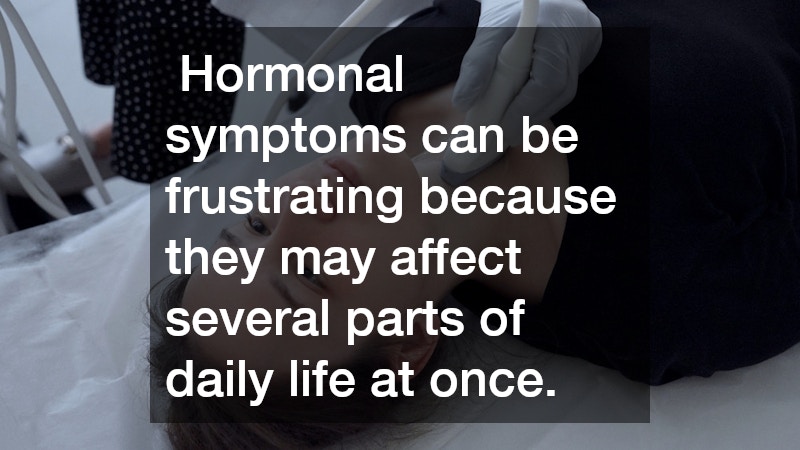
Hormonal symptoms can be frustrating because they may affect several parts of daily life at once. Utah endocrinology care provides specialized evaluation of these complex systems, helping patients understand the cause of their symptoms and the available management options. With an accurate diagnosis, appropriate treatment, and continued monitoring, many hormonal disorders can be effectively managed over the long term.